
Personalized T-Shirt Printing: Everything You Need to Know Before Creating Your Custom Designs
Personalized T-Shirt Printing, It is the uniqueness of a t-shirt that has something truly gratifying about it. I even recall the first time I came across custom printing in 2016, and I had to match some shirts in the case of a bachelorette party of my sister. What only appeared to be a minor challenge turned out to be a lesson in the type of fabrics, printing techniques and design requirements. Since that time I have placed orders on hundreds of personalized shirts in different occasions, small businesses and personal projects.
I will take you through my experience in learning about t-shirt printing in personalized designs with some of the errors I made and that is why you will not have to do them again.
This comprehends the various printing techniques.
Not any two custom t-shirts are made equally and the printing process you adopt plays a great role in determining the quality, durability and expenses of the t-shirt.
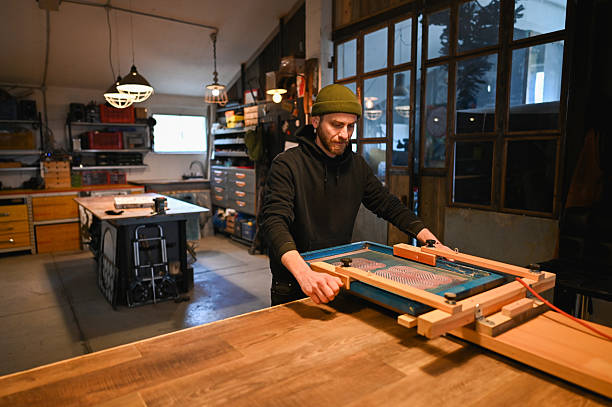
Screen printing is the standard of the bulk orders. It takes place through using stencils and forcing ink in mesh screens on fabric. Screen printing was very economical when I ordered 200 shirts last year to run a charity event. But this approach is costly with small quantities since set up costs do not change with order quantity.
The direct-to-garment (DTG) printing is like your home inkjet printer but printed on a piece of cloth. The technology is superior with photographic images and designs that have different colors. My friend has a small Etsy shop where she sells band shirts inspired by vintage, and DTG gives her the opportunity to have unlimited color options without the problem of stock management.
Heat transfer vinyl (HTV) Heat transfer vinyl is the practice of cutting patterns out of colored vinyl and applying them to clothing by pressing. This process achieves a brilliant effect of simple graphics and text in long lasting results. Small businesses and craft enthusiasts like it as the initial cost of equipment is rather low.
Sublimation printing transfers ink directly onto polyester fibers making the print that will not crack, peel or fade. The catch? It can only be used on light colored polyester fabrics. The technique is used in sports jerseys and performance wear.
The option of the Right Blank T-Shirts.

Nowhere do first-timers go right. The shirt worn under it counts a lot.
Cotton t-shirts are accommodative to most printing techniques and are comfortable to wear. But 100 percent cotton has the tendency of shrinking during the washing process. I have become aware of the need to order a size bigger or seek pre-shrunk clothes.
Polyester blends are durable, have the capability of being moisture-wicking and they also restrict your printing possibilities. Certain inks do not stick to synthetic fibers.
The printing surface of ring-spun cotton is smoother and a lot less coarse than regular cotton. Admittedly, these blanks are more expensive, yet the final result seems to be of much higher quality.
Weight matters too. Smaller shirts (approximately 4.3 oz) work better in summer and can be seen with dark designs. Heavy (5.3 oz and more) ones are more opaque and structured.
The Design Miscapades That Really Count.
On one occasion I went out to submit a beautiful design and ended up with shirts with pixeled blurry graphics. The problem? My resolution was low in the image.
To produce crisp images, an image of 300 DPI is desired at the real print size. What appears sharp on your laptop screen when it goes into your shirt may crumple when you stretch your shirt.
Scales and remains indefinitely Vector files (AI files, EPS files, SVG files) scales can be scaled without affecting quality. Vectors should be your choice of default when you are working with text or logos.
People are caught by the color mode. The design made in RGB (screen colors) can appear different than that of CMYK (print colors). I would always demand evidences and set other expectations.
Placement influences such aspects as comfort to visibility. A large back print is different to small left-chest logo. Think about the shirt folding, how it stays in a picture and where the wrinkles are going to be in most cases.
Locating an Appropriate Printing Company.
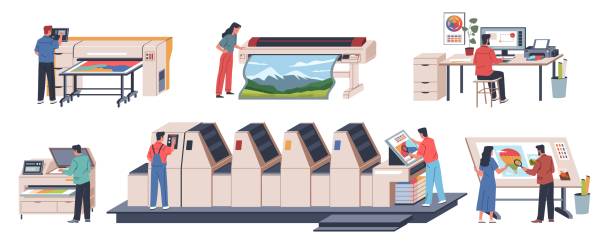
There are local print shops to giant online stores in the market. Each has its strengths.
Local printers have personal service, quicker turnaround in rush orders and the capability to touch and feel samples prior to commitment. My local store came to my rescue when I required 50 shirts in the case of a corporate event that had a deadline of three days.
Online sites such as CustomInk, Printful, or Vistaprint offer easy to use design software, reasonable prices on larger orders, and huge product selections. They have mockup generators which assist in visualizing completed products prior to placement of an order.
Print-on-demand systems get rid of inventory. Such services as Printify or Gooten print and deliver individual orders to the customers. This is an impressive model to all individuals who want to test their t-shirt designs without having to incur initial costs in the design process.
Never buy too much unless you are sure that you are getting samples. Fabric weight and print texture, color accuracy can never be expressed in photos.
Cost Factors to Consider
The price is out of control depending on a number of factors:
- Order quantity (discounts on large quantities are high)
- Screen printing Number of print colors Number of print colors (especially number of colors used in screen printing)
- Print location (back, front, sleeves)
- Quality and brand blank shirt.
- turn around time requirement
- One bespoke shirt could cost between 25-40 and 100 of the same shirts could reduce the unit price to between 8-12. Knowledge on these economics is useful in budgeting and decision making.
Applications and Opportunities in Practical Applications.
Custom t-shirts can be used in innumerable ways other than personal expression. Individual reunions, team building activities, business advertisements, memorial dedications, fundraising efforts and anniversary celebrations are all beneficiaries to custom apparel.
Small firms are also opting to use custom shirts as walking adverts. A well-constructed shirt that individuals really desire to wear offers a constant exposure to the brand at a low cost.
Making Your Shirts Last
When well taken care of, your custom shirts have a very long life span. Wash cold, do not use bleach and dryer should be out of high heat. Shirts that have been screen-printed usually have more tolerance to abuse than heat transfers, although all printed items are sensitive to abuse.
Frequently Asked Questions
What is the shelf life of custom printed t-shirts?
When properly taken care of quality prints on proper blanks generally last 50 or more washes without much in the way of fading or cracking.
How many t-shirts are required as a minimum to order a custom t-shirt?
There is no minimum on print-on-demand services. Screen printers usually take 12-24 parts, but smaller orders can be taken at a higher per unit price.
Is it possible to design my t-shirt with any image?
Only when the rights are owned, or one is licensed. Compensated pictures, logos, and celebrity resemblances must be permitted.
What is the time of custom printing?
Normal orders are delivered within 5-10 working days. There are normally rush options that come at a premium.
Which method of printing is the most durable?
The screen printing and the sublimation methods tend to be more durable than other techniques, but the quality differs according to the printer and material used.