Using Print for Brand Awareness: Why Physical Marketing Still Packs a Punch in a Digital World
Using Print for Brand Awareness, I can tell you the truth, when I first entered the marketing business fifteen years ago, all the people were already declaring the print dead. It is all going digital, they said. “Print is dead.” Now move to the present day, I am still advising clients to use print campaigns. It is not because I am being nostalgic; it is because I have seen print produce results that digital can never match.
I can give you a tour of what I have learned about using print in building brand awareness, as well as the tricks that do work and the traps that will make you burn more money than you can pronounce: glossy brochure.
The Tangible Difference: Why Print Designs Last Marks.
It is something completely different when one touches a real object. This is supported by neuroscience studies which have revealed that physically existing materials need 21 percent less mental effort to process compared to online content. However, outside the science, I have observed this manifested in actual campaigns.
One of the skincare brands that I was working with last year did not find it easy to beat the Instagram noise. All their competitors were competing to use sponsored posts and capture the same eyeball. We diverted some of their funds towards superbly designed postcards being forwarded to specific zip codes. Their digital campaigns were suppressed by the response rate by almost three times.
Why? Since, holding such a postcard, one is not competing with 17 other tabs and a notification at a time. They are there with your brand.
Strategic Print Materials Which Can create Brand Recognition.
- Business Cards That Deceieve Get Stashed.
- Majority of the business cards are thrown out within seven days. I have witnessed it on dozens and dozens of networking events. Cards that have special textures, are die-cut or have a surprise format endure. One of my acquaintances makes use of a card that can be folded into a miniature building. Gimmicky? Maybe. Memorable? Absolutely.
Direct Mail With Purpose
Direct mail has changed radically. Disregard the spray-and-pray kind of mass mailings. The effective print campaigns today take advantage of data-driven targeting to address certain demographics by providing personalized messages. One of the regional coffee roasters that I had to consult with sent sample packets with handwritten-style notes to the households that fit their ideal customer profile. Their acquisition cost of customers decreased by 40 per cent of Facebook advertisements.
Proudly branded Magazines and Lookbooks.
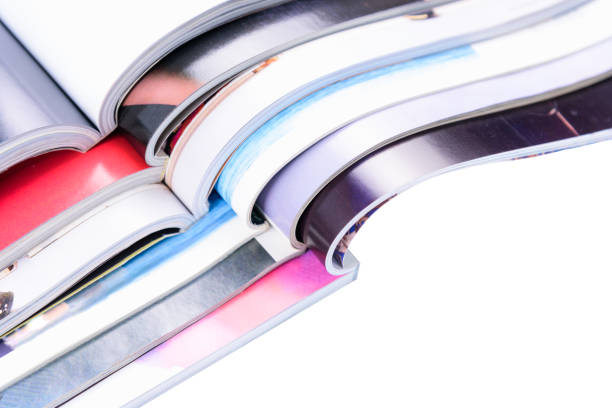
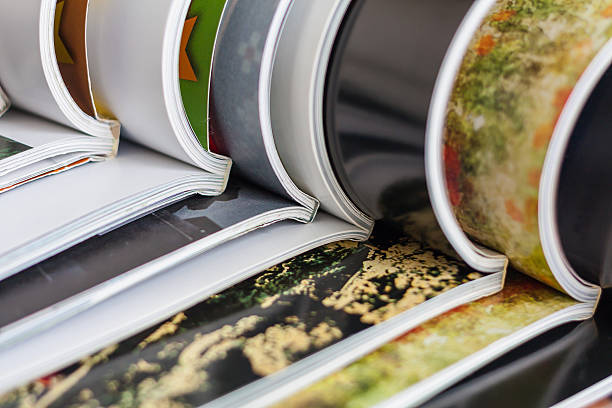
Starting your own magazine may appear to be costly, but it will make your brand appear as an authority. The best example is the Airbnb magazine, which can be seen as an extension of their brand experience outside of the app into something that the reader will place on coffee tables. Even smaller companies can make quarterly lookbooks or catalogs that reflect their knowledge and taste.
Packaging as Marketing
Unboxing is no longer to be underestimated. Apple realized this many decades ago. When your packaging is Instagram worthy, customers are in effect free brand ambassadors. I have seen small e-commerce brands increase their social mentions by three times after redesigning their boxes and tissue paper.
Print and Digital: The Hybrid Strategy.
This is where the interest comes in. Print does not necessarily have to exist independently. The best campaigns that I have been in charge of are the ones that combine both physical and online touchpoints.
QR codes have reappeared in their natural form, rather than the clumsy experiments it had been before, but with value-adding implementation. One wine distributor that I was working with had QR codes on the bottle labels that connected them to food matching videos and stories about the vineyard. Retailers were found to be fond of the additional engagement tool as reported by sales reps.
Direct mail pieces are printed with personalized URLs (PURLs) which allow you to accurately track the response rates. You can now find out whether this print campaign is working or not: finally answer the age-old question. Spoiler alert: when it is done right, it usually is.
P Measuring the print influence on brand awareness.
Print ROI involves being creative because you will have no way of tracking clicks. Here’s what works:
Special discount codes on printed materials.
Specific landing pages or cell phone numbers.
Surveys of customers to questions like how did you get to hear about us?
The peaks of traffic on websites were associated with the dates of mail drops.
Social listening to references to certain campaign components.
One of the clients did not believe in their catalog investment until we installed proper tracking. It turns out the customers that received catalogs spent 28 per cent more on the order as compared to those who did not.
When Print Might Not Be Right
I do not mean to say that print is all-perfect. Digital can be more flexible in the case of brands that have very tight budgets. When you are targeting a very young and technologically savvy audience, print may seem out of place. And when your product needs to be updated frequently or information is expected to be updated in real time then static print poses apparent constraints.
Final Thoughts
Print marketing does not imply old fashion but means being strategic. In a world where everybody is competing with each other to gain digital attention, hard pieces stand out more. They are touchpoints, require dedicated attention, and give your brand an indication that it is investing in quality experiences.
I have observed both small and big brands, local bakery and national stores, creating a real following by being thoughtful in their print campaigns. The common thread? They did not regard print as an extension of the brand but a deliberate touch point.
Frequently Asked Questions
Can print marketing be effective in 2024?
Absolutely. Direct mail has a higher response rate than email and print has a better brand recollection because it is physical.
What should my budget be on print marketing?
The bulk of businesses will set aside 5-15% of their total marketing budget to print, but this is dependent on industry and target audience.
What is the most effective print media to use in creating brand awareness?
Branded packaging and direct mail post cards are normally the best awareness to cost ratio in most businesses.
Where do I monitor the print marketing results?
Measuring the response rates and conversions will be done using unique promo codes, special landing pages, QR codes and customer surveys.
Which marketing should I use, print or electronic?
Neither solely is integrated campaigns involving both usually more effective than single channel strategies.
What is memorable about print materials?
Premium paper, unique design, personalisation, and simplicity of message make impressions to be long-lasting.