Custom Apparel Printing: A Complete Guide to Creating Your Own Branded Clothing
Custom Apparel Printing, I recall the initial occasion when I attempted to have the custom t-shirts printed concerning my friend bachelors party. It was supposed to be an easy task but it became a week-long learning experience about what kind of ink, fabric, and minimum order quantities would be needed. It happened twelve years ago, and since then I printed all types of company uniforms to limited-edition merchandise of local bands.
The custom apparel printing market has evolved greatly since that time and regardless of whether you are launching your own line of clothing, putting together your own workforce, or simply out to get an exclusive item to wear at a special event, it can save you a lot of cash, time and a lot of heartache once you know your options.
Main Printing Methods: Understanding.
Not every way of printing is the same and you may end up with a faded out print, a broken up print or may find yourself on a bill that is also greater than expected.
Screen Printing: The Workhorse Industry.
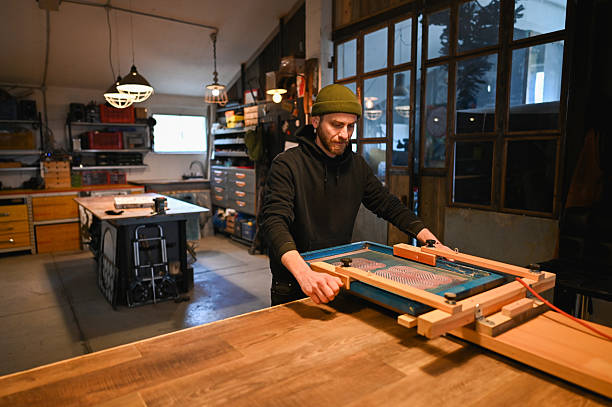
Screen printing is an ancient practice and there is a reason why it has been the best to choose when making bulk orders. It is done by forcing ink through a mesh stencil onto a piece of fabric to produce colorful, long lasting prints that are able to survive hundreds of washes.
I have dealt with screen printers that can recreate Pantone colors with a very high degree of accuracy and that is why this is the best way to brand a corporate logo where color stability is important. Screen printing is however cost-efficient when the number of pieces increases e.g. 24 and above since each color has to be screened separately, and set-up costs tend to mount very fast when the number of pieces is low.
Direct to Garment (DTG) Printing.
Small batch orders and complicated designs became a game changer by DTG. Imagine that it is a giant inkjet printer of clothes. The technology directs the spray of inks that are made of water on the fabric resulting in photorealistic prints in unlimited colors.
One of my local acquaintances utilizes DTG in her print-on-demand store and she is able to sell one-off items without dragging down her bottom line on investment in equipment. The catch? DTG remains stable on 100 per cent cotton and on light-colored garments.
Transference of heat and cutting of vinyl.
Heat transfer vinyl is still used in cases of names, numbers and basic graphics. This has been on sports jerseys and other customized gifts all around you. It is done by cutting designs using colored pieces of vinyl and applying them to clothes using heat and pressure.
Although vinyl does produce a very pronounced raised rubbery feel that some individuals are fond of, it is not the best when it comes to detailed art. Once I had attempted to recreate a finely detailed logo on vinyl and the minute details began to peel in a few months of frequent use.
Sublimation Printing
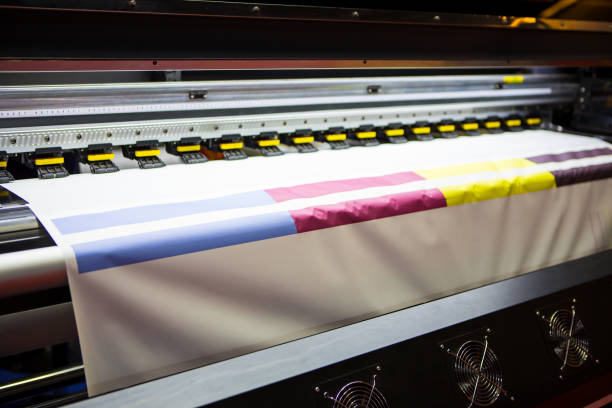
Special emphasis should be put on sublimation of synthetic fabrics and all-over prints. The process involves heat in order to convert dye to gas and permanently connects with fibers of polyester. What comes out is prints that seem to part of the fabric it feels like no texture, no cracking just sheer color saturation.
The weakness is considerable however: sublimation can only be used on white or light polyester. That is why you are finding this method on the athletic wear and promotional products but not frequently on high quality cotton tees.
The selection of the Right Blank Garments.
The process of printing is important, but the material on which you print is equally important. This is a lesson I learned when a client complained that their printed shirts were made of cardboard even though they were of premium quality. It was not the quality of print, but this was the cheap blanks we had chosen to keep within our budget.
Durability, drape are influenced by garment weight which is expressed in ounces per square yard. 5.3 -ounce tees are good but not heavy, and 6.1-ounce shirts give the customer the heavy, durable feel they seek when they buy a quality product.
Ring-spun cotton has a gentler feel in the hands as compared to normal cotton and combed cotton takes it a step farther as it pulls out shorter fibers prior to spinning. Such information may look like a scar, but it will make or break a person reach out to your shirt over and over again or hide it in a locker room.
Budget Planning and Cost Concerns.

Custom apparel costs are outrageous depending on the quantity of items and complexity as well as the printing process. And this is what I have seen in dozens of projects:
Screen printing normally works between 8-15 dollars per shirt (with medium-sized prints in 2-3 colors), and the price falls under 5-8 dollars per unit at larger quantities. DTG tends to be between $12-25 per garment irrespective of the complexity of the design used and can be cost-effective to use complex prints but costly in large amounts when used on simple logos.
Locating Trustworthy Printing Vendors.
It is very easy to make the difference between an excellent printer and a good one and it is all a question of communication and quality control. The disadvantages of local print shops are that it requires face-to-face consultations and can approve physical samples. E-commerce platforms such as Printful, Custom Ink, or local options offer the convenience and reasonable prices but the expectations have to be communicated.
Inquire of potential printers regarding their warranty, turnaround time and what they do in case of any malfunction. My most fruitful relationships with printers are the ones in which the printers take initiative to spot possible problems instead of producing poor outcomes.
Ecological and moral Implications.
The clothing sector is not exempted of rightful criticism on the issue of environmental influence. Water-based inks, organic cotton blanks and print-on-demand models reducing overproduction are significant improvements, even though none of them address the issue completely.
A number of printers have already introduced GOTS-certified organic and renewable energy in their plants. These certifications bring verifiable credibility in the event that sustainability concerns your brand or your customers when compared to the unsubstantiated green marketing.
Frequently Asked Questions
How many custom apparel would you need printed?
Screen printing usually has 12-24 pieces as minimum and compared to DTG and heat transfer, single items can be printed at a higher cost per piece.
Approximately what is the length of time custom printing takes?
Normal turn around time is 7-14 business days. Additional fees are charged on rush services which take a period of 3-5 days to deliver.
Is it possible to print on a fabric of any kind?
Dissimilar procedures are appropriate to dissimilar materials. Cotton is the most suitable in both screen printing and DTG, whereas polyester blends are needed in sublimation.
Will my printed shirts become lighter when washed?
When used with proper care instructions, including washing them inside out, cold water, low tumble dry, quality print outs will last 50 or more washes by well known printers.
What type of preparation do I make when printing artwork?
The best file to use in screen printing is a vector file (AI, EPS, PDF). DTG and photorealistic prints must be of high resolution (at least 300 DPI).
Which option is better in my project screen printing or DTG?
Screen printing is more economical when there are more than 24 pieces with plain designs. DTG is superior at small amounts, detailed art or photographic pictures.