Promotional Merchandise Printing: A Complete Guide to Building Brand Recognition That Actually Works
I have spent most of fifteen years seeing businesses waste money on promotional goods without any action plan or plan behind their decisions. Others did it in a stunningly spectacular way. Some others found themselves with boxes of the branded stress balls gathering dust in the storage rooms. The distinction between these results nearly always is reduced to the knowledge of what the printing of promotional merchandise is and how to make the correct choices.
The difference between Promotional Merchandise Printing.
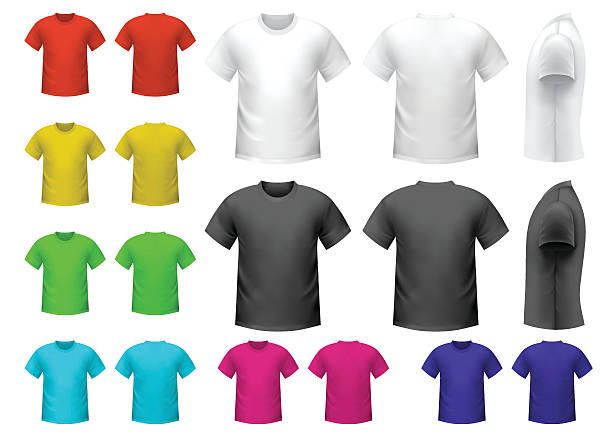
I would like to make something very clear in the very beginning; it is not about putting a logo on a product and considering it to be a promotional merchandise. Printing process, choice of substrate and execution of design are all interventions which define whether your branded product will be cherished or discarded.
Printing of promotional merchandise includes a number of methods depending on the materials to be used and the objectives. At the beginning of my career as a small business consultant, I thought that everything would be dominated by digital printing. Reality proved more nuanced. Screen printing is still very affordable to large volumes of clothing. Pad printing is also good in curved surfaces such as pens and mugs. Embroidery gives the high-quality appearance to polo shirts and caps which could not be achieved to the printed ones.
The material you are printing on, the fancy industry, is a big issue. A four color design is beautiful on paper but may be dirty on a polyester tote bag. I got this lesson quite literally when one of the clients signed a contract on a digital mockup that would not look pretty on the material of his or her choice.
Printing Techniques Well Worth Learning.
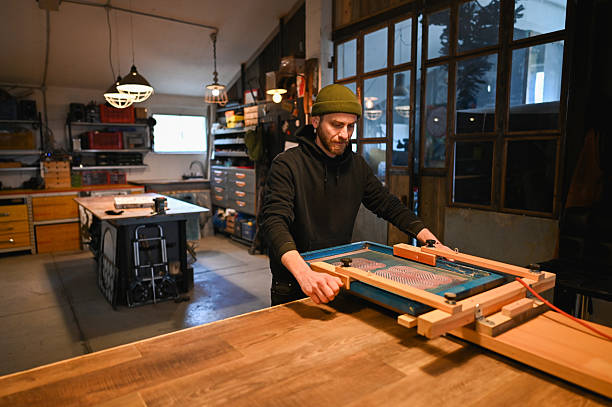
Screen Printing is a printing method that involves the use of ink and mesh stencils. It has existed since time immemorial since it produces vibrant colors and outstanding durability to the fabrics. The catch? Complex designs are also costly when using a small run of each color because each color needs its own screen.
Short run orders have been revolutionized by Digital Printing. The current generation of direct to garment (DTG) is a technology that can replicate photo images at an amazing cost with zero set up fees. The ink is, however, applied to a fabric and not embedded in it, and this influences durability.
Sublimation Printing involves heat in order to transfer dye onto synthetic materials. The outcomes will be lasting and will not crack or peel. I have observed sublimated products being in their condition despite years of use. The drawback is that it is effective on white or light-colored polyester products.
Laser Engraving is the permanent marking of metal, wood, leather and some plastic. One cannot deny something refined about laser-engraved stainless steel water bottle that can be printed by alternatives.
Selection of Products that are kept.
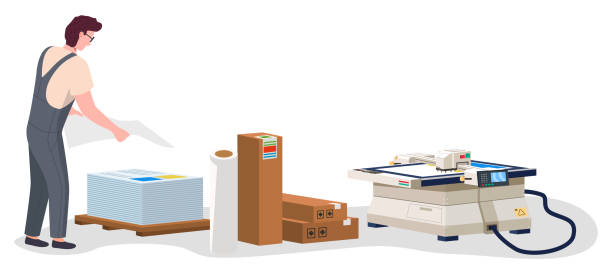
This is an unpleasant fact that most marketing agencies will not reveal to you: most promotional products do not fail due to substandard printing services; people simply do not want them at all.
The industry association research has always indicated that useful items stay longer. Some of the most held promotional products include reusable water bottles, quality tote bags, portable phone chargers, and comfortable apparel. In the meantime, trivets like inexpensive keychains, weak pens and miscellaneous devices frequently end up in a garbage pile in a few weeks.
One of the regional banks that I served with changed their method of promoting their products to the community it served by not giving out as many promotional products but those of higher quality. Their price per impression in fact fell since people continued using their branded products even after months rather than dumping them.
Quality Factors that have an influence on the results.
The lure of the lowest cost is high, particularly when one has to order in large quantity. Resist it.
Even the best printing of low-quality base products will position your brand as a cheap one. A polo shirt with a logo beautifully embroidered but which pills after two washes sends out the most wrong message. On the other hand, quality merchandise that is carefully printed sends the message that your business believes in quality in all that it does.
The color matching also requires attention. Pantone matching guarantees that your brand colors are consistent across product and print type. your well-considered brand palette may be different on each piece you make.
Collaboration With Printing Companies.

In order to locate credible promotional merchandise printers, one has to do some shoeing. Order physical samples and then make large orders. Online samples display design positioning yet they are unable to display the quality of the fabric, the permanence of the print or the accuracy of color.
Inquire on minimum order quantities, turnaround times and what happens in case the products arrive damaged or misprinted. The reliable businesses stand up and stand by their work and clarify the issues in time.
I would suggest that one should develop relationships with suppliers instead of continually trying to get the lowest price possible. Loyal customers are aware of your brand expectations and foresight problems that would arise before they are even an issue.
Green and Social Practices.
The present-day consumers understand when companies are paying attention to sustainability. Environmentally friendly promotional items have been stepped out of being a niche and are now almost the standard requirement. Corporate responsibility is reflected in products that are recycled, those that are organic, or those that are made through recycled material such as bamboo.
The ethics of supply chain is important as well. The place of product production and conditions tells about your brand. Certain merchandise used in advertising is produced in plants that have dubious working standards. When suppliers are asked about their sourcing it will prevent awkward associations.
Measuring Effectiveness
Marketing investment is in the form of promotional merchandise. Measuring its performance means attaching distinct discounts, special URLs, or QR to products. Follow redemption and site traffic by these sources.
Take into account context of distribution also. The giveaways in the trade show have different objectives as compared to employee appraisal gifts or customer loyalty rewards.
Frequently Asked Questions
How many promotional merchandise should be ordered?
It is dependent on product and printing procedure. Digital printing could come in with orders of 25 pieces whereas the minimum required by screen printing is usually 50-100. Ordering of some items such as engraved gifts can be done separately.
Promotional merchandise printing time?
Normal production lasts 2-3 weeks upon approval of artwork. Rush orders can be done at a higher price. There might be more time needed in complex products or custom colors.
What is the most durable printing procedure?
The longest-lasting is embroidery and laser engraving. In the case of printed material, digital printing is not as durable as screen printing and sublimation on the majority of surfaces.
Is it possible to print full color photographs on merchandise?
Yes, by digital printing or sublimation or full color transfer. Findings are dependent on product material and printing method.
What are the steps to preparing artwork to be printed in promotions?
Include vector files (AI, EPS, PDF), where feasible. Photographic elements have been found to work with high-resolution images (at least 300 DPI). Elaborate fonts to outlines to eliminate substitution problems.
Which products do give the highest returns?
The usable items such as drinkage, bags, and clothes normally give a more impression in the long run, which enhances cost-per impressions.