Eco-Friendly Printing Options: A Practical Guide to Sustainable Print Solutions
Eco-Friendly Printing Options, I have been working in the printing business, the major portion of fifteen years, and I tell you, it kept me awake at night seeing the environmental effects of the traditional printing practice. The odor of chemicals, the trash cans with the abundance of misprints, the amount of resources used per day. However, the situation has really changed, and I am thrilled to tell you about it when it comes to making your printing activities more sustainable.
Knowing Why Conventional Printing Takes so big a Toll.
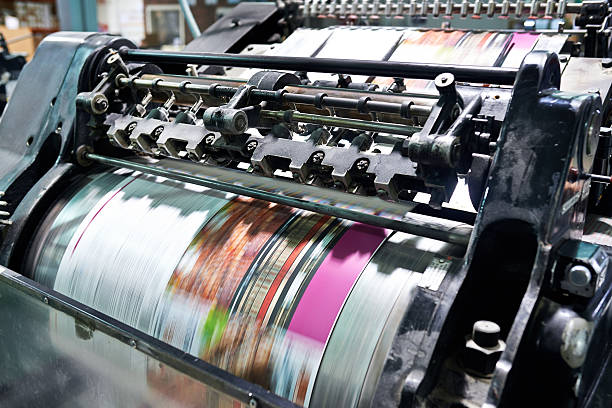
It is always good to know the problem before immersing into solutions. Traditional printing uses petroleum-based inks, papers bleached with chlorine as well as energy consuming machines. One toner cartridge may require 1,000 years to break down in a landfill. The first time that I heard that statistic was at an industry conference several years ago, in 2016, and it has completely changed my approach to work.
This paper itself is a challenge. The paper production is traditional that requires huge quantities of water and energy and is a contributor to deforestation. Include volatile organic compounds (VOCs) emitted by conventional types of inks and you have a process which touches on several issues that affect the environment at the same time.
Vegetable and Soy-Based Inks: The Real Deal.
One of the early changes that I made in my practice was to switch to vegetable-based inks, and the outcomes of this action really surprised me. A type of ink that may be considered a type of soy ink, initially popular in the 1970s when oil supplies were limited, comes in bright colors and emit fewer VOC emissions than petroleum-based counterparts, about 80% less.
The first time I used
soy based inks was when I was printing an annual report of one of my clients. They were cynical of color quality, yet the final product really represented deeper blacks and superior reproduction of colors than had been possible before using petroleum based runs. It also increased the drying time causing certain workflow changes, but the positive impacts on the environment made it a worthwhile endeavor.
Inks made out of algae are even more new. Algae pigments have been created by firms such as Living Ink and basically reduce carbon dioxide to printed ink. This technology is yet to penetrate markets, but so far it has potential to bring about a reality of carbon-negative printing.
New and Alternative Pages That Work.

Not every paper that is reused is the same- this is what I have come to know through experience. The content of the post-consumer waste (PCW) is of great importance. The 100 percent PCW paper conserves an estimate of 24 trees to each ton of paper in comparison to the production of virgin papers.
However, this is what paper manufacturers do not always disclose: that sometimes paper that includes 30 percent recycled content works better in high-speed digital presses than 100 percent recycled paper. The fibers have a longer and more uniform length. When clients must have reliability that is bulletproof when it comes to meeting deadlines that are strict, I usually suggest the 50-80% PCW content as a reasonable compromise.
Outside paper made of trees, agricultural waste as an alternative has grown to a significant level. Legitimate options can be papers produced out of sugarcane bagasse, wheat straw and even scraps of cotton textiles. I recently printed wedding invitations on paper with 25 percent recycled denim the feel was gorgeous and my clients were very happy to inform the guests that their invitations were made of actual recycled jeans.
Stone paper also should be mentioned. It is produced using the mining wastes of calcium carbonate and does not need water or trees; it is also very durable. But it is not biodegradable and cannot be recycled in any of the traditional paper streams and thus is better suited to particular purposes such as outdoor signage or waterproof labels.
Printing Equipment that is energy-efficient.
Modernization of presses is a big investment, but it is worth the time to install energy-saving presses. The contemporary digital presses use as much as 50 percent less energy than those of only 10 years ago. The technology is LED-UV curing, which I have been using approximately three years now, to cure the ink immediately, using a lot less energy than the traditional UV lamps.
In the case of smaller operations and home offices, Energy Star-certified printers will be really significant. Such machines have automated sleep mode, lower power consumption on the go and many of them default duplex printing- removing the necessity to turn pages with fingers.
Print-On-Demand and Electronic Processes.
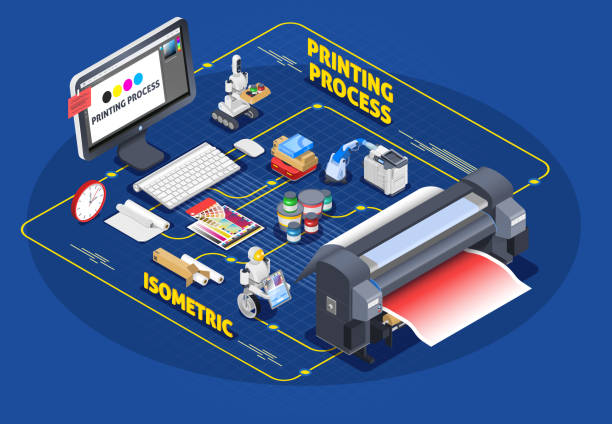
Maybe one of the most effective changes that I have observed is the decrease in print volume in general by making the processes smarter. Print-on-demand is also used to stop warehousing of old material. Instead of printing 10,000 brochures which could end up being obsolete, clients can print 500 at once and refresh it when required.
Digital proofing has virtually removed physical proof runs in my workflow. Clients are viewing PDFs on monitors that have been calibrated and we print final approved versions. This change alone has been likely to cut my paper trash by 40 percent in the last five years.
Pragmatic Measures to Business and individuals.
To businesses looking to implement eco-friendly printing, it is first necessary to carry out an audit of current practices. What is the extent of printing you do? Would any of the materials switch to digital distribution only? These questions in most cases tend to bring out low-hanging fruit.
Questions to consider during the choice of a commercial printer include: What made of standard paper stock is recycled? Do you use ink of vegetable origin? What are your waste disposal practices? Honest greener printers will respond to these questions with ease and possibly even possess a certification by a body such as the Forest Stewardship Council (FSC) or even Sustainable Green Printing Partnership.
The Honest Limitations
It would be a lie on my part to say that there are no downsides to eco-friendly printing. Vegetable inks are also not always quick to dry. In some machines, recycled papers tend to jam. Instead, the cost of alternative papers can be 15-30% higher than the conventional one. These are practical factors that need a trade off between environmental objectives and practical limitations.
Frequently Asked Questions
Does recycled paper have a lesser quality as compared to virgin paper?
Not necessarily. Recycled papers of high quality are comparable to most applications but there still might be some specialty printing where virgin stock might be beneficial.
Are inks composed of vegetables more expensive?
Normally 5-10 percent higher than petroleum inks, although prices are falling with increasing demand.
Is it possible to recycle the recycled paper?
Yes, it is true that paper fibers can be recycled 5-7 times on average after which they are too short to be recycled.
Which certification do I expect sustainability paper to have?
FSC certification is quite well known and it signifies responsible forestry.
Does digital printing induce less environmental pollution than offset printing?
Yes is the case with smaller runs. modern offset printing may also be as efficient as necessary in large volumes.
To what extent does duplex printing help decrease the use of paper?
Duplex printing has the potential of saving as much as half of paper used on the right documents.